Custom patches for UK denim brands are more than labels stitched onto fabric. They are identity markers, trust builders, and silent storytellers. When done right, they don’t scream for attention, they earn it.
This guide walks you through how custom patches shape UK denim branding, why they matter so much, and how brands use them to connect with customers in a natural, meaningful way, just like the sample style you shared.
Why Custom Patches Matter So Much in UK Denim
The UK denim market is crowded. Customers have endless choices, online, in-store, local, and global. Many jeans look good on the hanger. Many jackets feel solid at first touch.
So what makes someone pick one brand and stay loyal to it?
Usually, it’s not one big thing. It’s many small ones. Custom patches help UK denim brands:
- Show attention to detail
- Build brand recognition without loud logos
- Add a sense of authenticity
- Increase perceived quality
- Create emotional attachment
A patch is often the only permanent branding on a denim piece. Long after tags are removed, the patch stays.
Denim and British Culture: A Natural Connection
Denim has always been part of British life. It started as practical workwear. Then became a symbol of rebellion. Later, a fashion staple. Now, it’s everything at once.
From factory floors to music scenes, from streetwear to heritage labels, denim in the UK reflects individuality. Custom patches fit perfectly into that mindset, they allow brands to express who they are without changing the essence of the garment.
Why Denim Is the Perfect Fabric for Custom Patches
Not every fabric works well with patches. Denim does exceptionally well.
Here’s why:
- Strong weave supports stitching
- Fabric doesn’t distort around patches
- Wear adds character, not damage
- Long lifespan matches patch durability
Denim ages. Patches age with it. Together, they tell a story.
Types of Custom Patches Used by UK Denim Brands
Choosing the right patch type is about more than looks. It’s about what your brand wants to say.
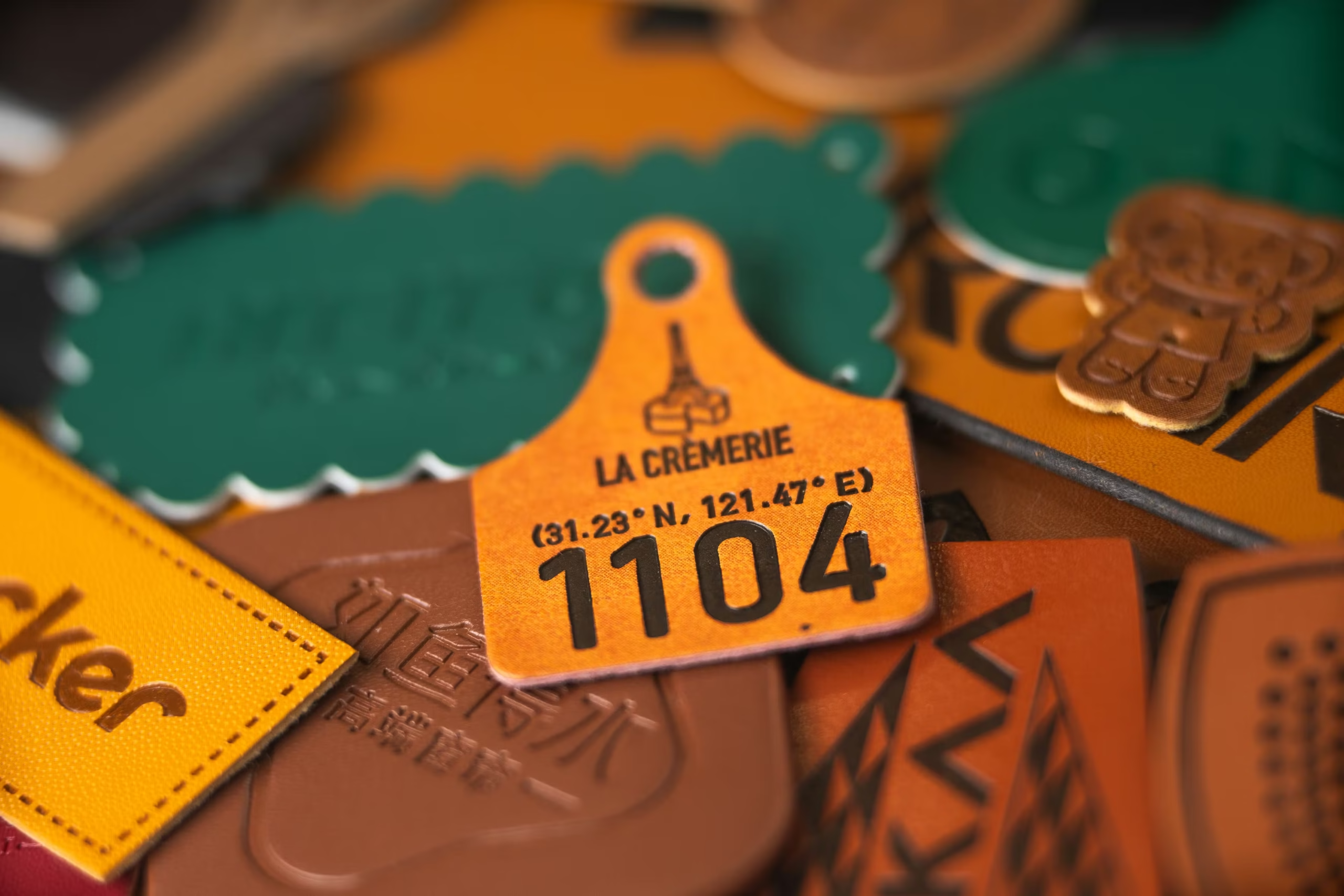
- Leather Patches
Leather patches are deeply rooted in denim history. You usually see them:
- On the back waistband of jeans
- Embossed with logos or brand names
- Darkening and softening over time
UK denim brands choose leather patches because they quietly communicate craftsmanship. They don’t need bright colours or large designs. Their value comes from texture and aging.
For heritage and premium denim, leather patches feel almost expected, and that’s a good thing.
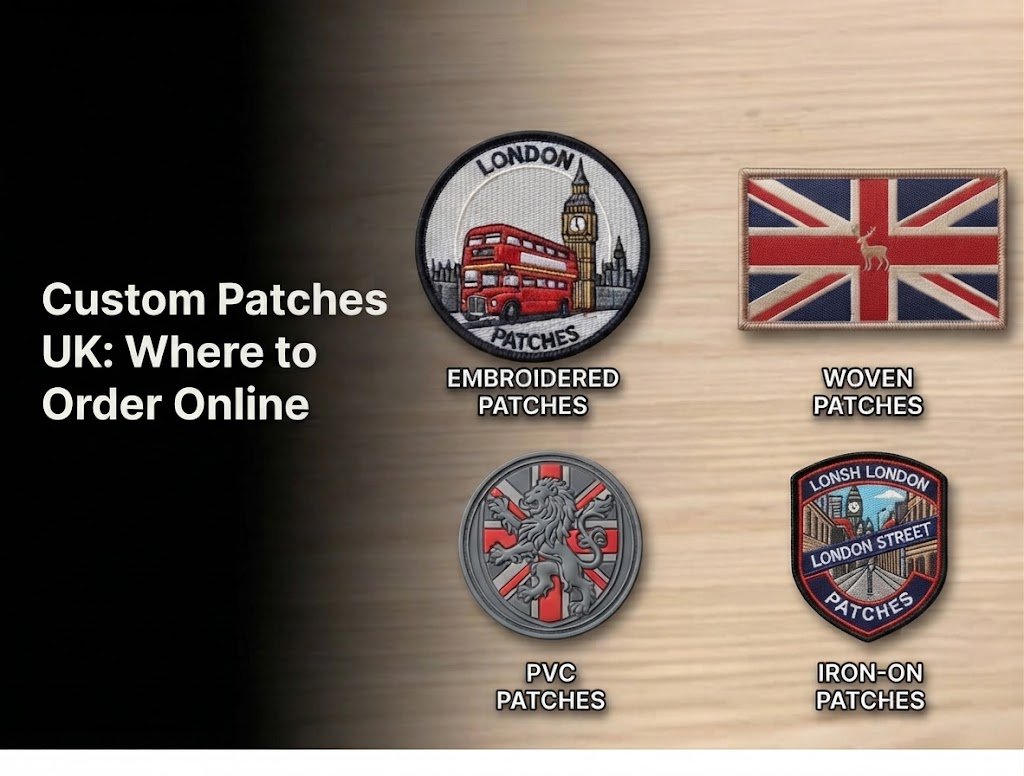
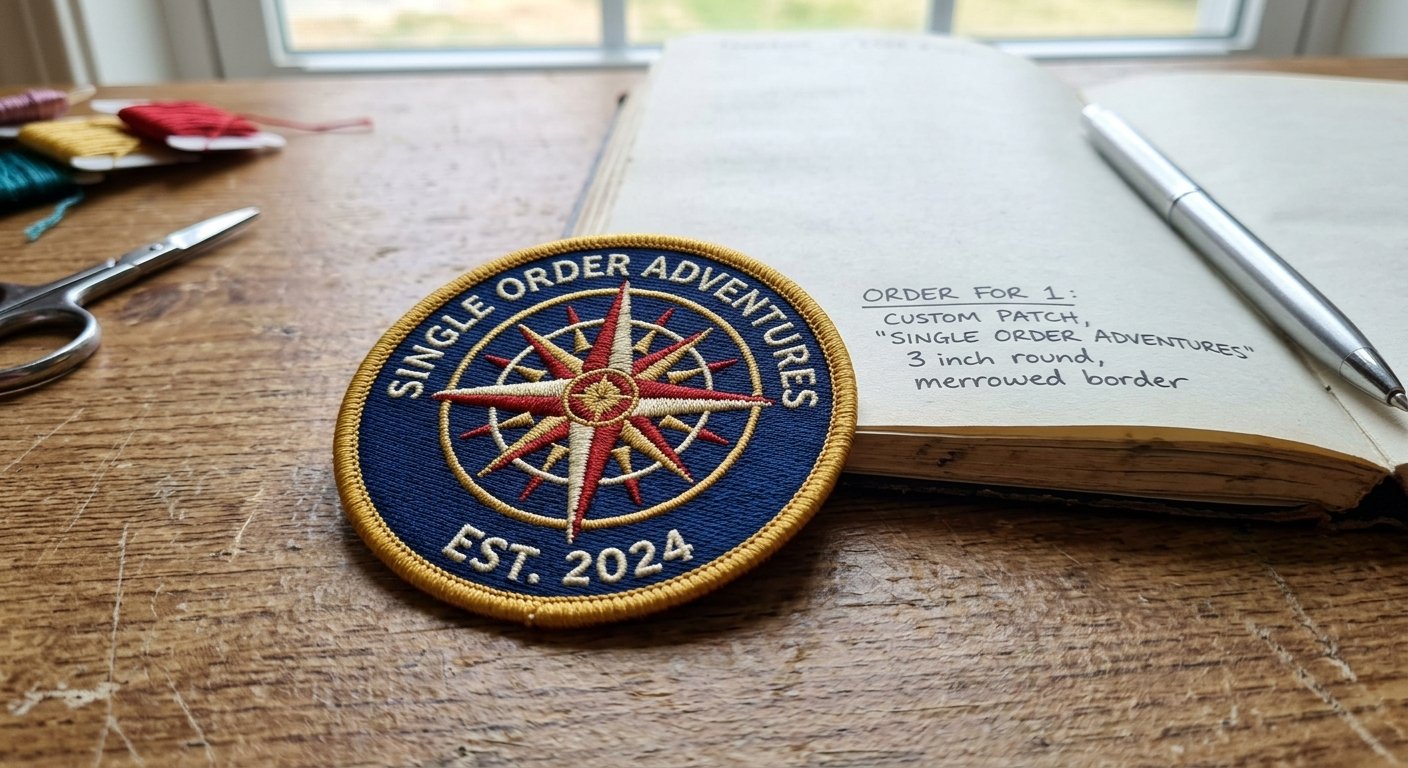
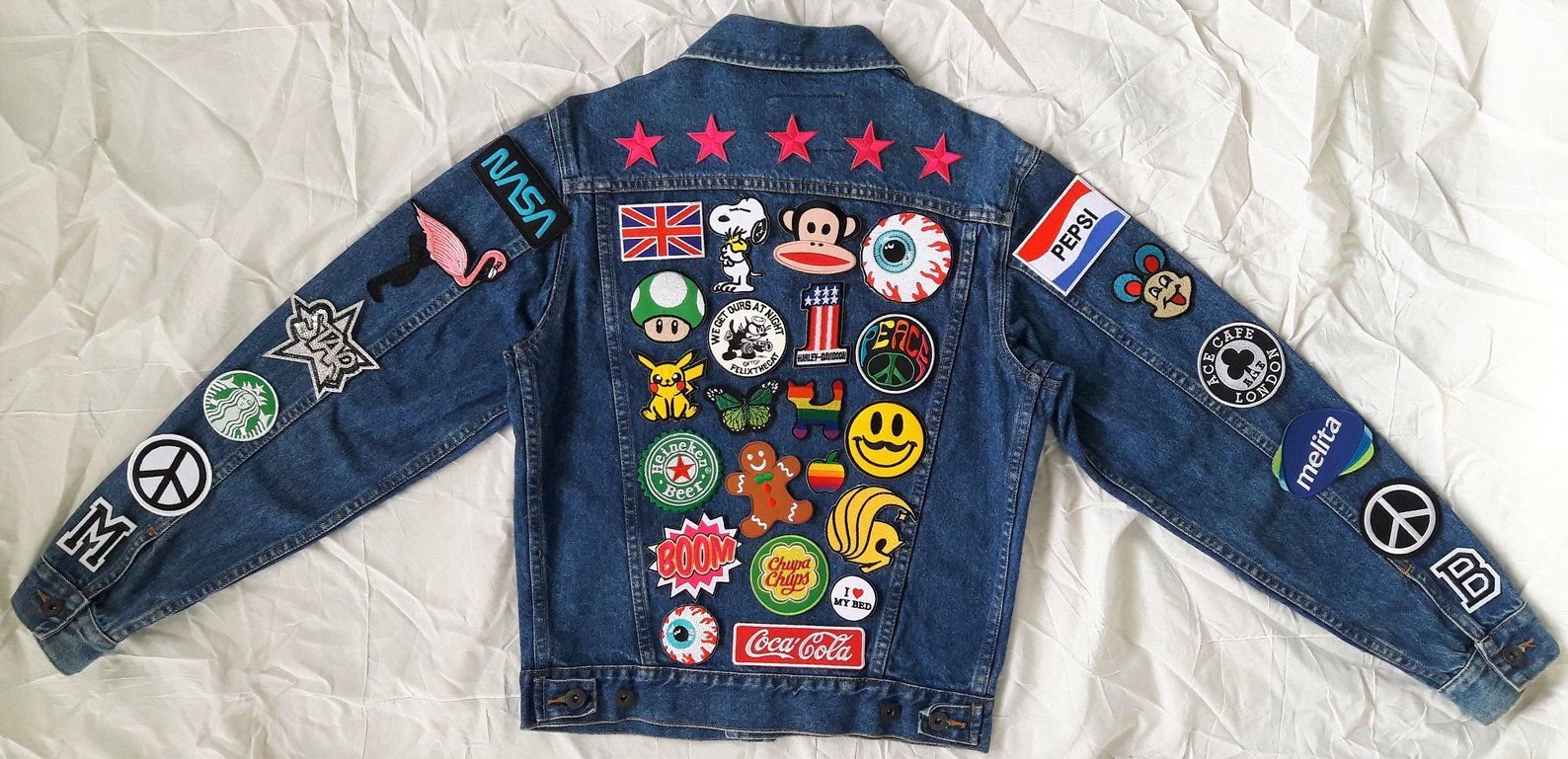
- Embroidered Patches
Embroidered patches bring personality. They are commonly used on:
- Denim jackets
- Chest panels
- Sleeves and pockets
They allow brands to play with colour, typography, and symbols while still feeling handcrafted. Many UK brands use embroidery to balance tradition with creativity, especially in lifestyle and casual denim collections.
- PVC Patches
PVC patches are growing fast in the UK denim scene. Why? Because British weather doesn’t forgive poor materials. PVC patches are:
- Waterproof
- Flexible
- Long-lasting
- Easy to maintain
They work especially well for streetwear, utility denim, and outerwear. For brands targeting younger audiences or urban fashion, PVC patches feel current and practical.
- Woven Patches
Some brands prefer subtle branding. Woven patches are ideal for:
- Small logos
- Text-based branding
- Minimalist aesthetics
They sit flat on denim and deliver sharp detail without bulk. UK denim brands focused on clean design often choose woven patches to stay understated yet recognizable.
- Printed Patches: Creative and Limited
Printed patches offer design freedom. They are often used for:
- Limited editions
- Seasonal drops
- Artistic collaborations
While not as durable as embroidery or PVC, printed patches allow brands to experiment, without long-term commitment.
Patch Placement: Where Design Becomes Strategy
Placement changes perception. A patch in the wrong place feels random. In the right place, it feels intentional. Common placement choices include:
- Back waistband: Classic and instantly recognizable
- Rear pocket: Subtle branding
- Chest area: Strong visual impact
- Sleeves: Streetwear and biker influence
- Hem or side seam: Modern minimalism
Many UK denim brands treat placement as part of their identity, customers begin to recognize the brand just by where the patch sits.
Custom Patches as Silent Branding
Good branding doesn’t always shout. Custom patches work because they are:
- Visible but not aggressive
- Tactile and memorable
- Integrated into the garment
Customers may not consciously think, ‘I love this patch.’ But they remember it. And memory builds loyalty.
How Patches Increase Perceived Value
Perceived value is not about price, it’s about feeling. A well-made patch makes denim feel:
- Thoughtful
- Finished
- Worth keeping
It can justify higher pricing without explanation. Customers associate stitched details with effort and care, even if they can’t explain why.
Sustainability Matters to UK Consumers
UK shoppers increasingly care about where and how products are made. Custom patches can support sustainability when brands choose:
- Recycled leather
- Long-lasting materials
- Low-impact dyes
- Durable construction
A patch that lasts the lifetime of the garment reduces waste and encourages long-term wear, a core principle of sustainable fashion.
Custom Patches in UK Streetwear Denim
Streetwear has changed how patches are used. In UK streetwear, patches are often:
- Larger
- Bolder
- More experimental
PVC and embroidered patches dominate this space. They don’t just label the garment, they define it. For many streetwear brands, the patch is the design.
British Weather and Patch Durability
Let’s be realistic, UK weather is unpredictable. Rain, cold, humidity, frequent washing, denim faces it all. That’s why custom patches for UK denim brands must:
- Hold shape after washing
- Resist moisture damage
- Maintain colour
- Stay firmly attached
PVC and high-quality embroidered patches perform especially well in these conditions, making them reliable choices for everyday wear.
Custom Patches vs Printed Branding
Printed branding fades. Patches stay. Compared to printing, patches offer:
- Longer lifespan
- Better texture
- Stronger brand presence
- Premium feel
This is why fast fashion relies on printing, and quality denim brands don’t.
Limited Editions and Emotional Value
Custom patches are often used to mark something special.
They can represent:
- A limited run
- A collaboration
- A specific year or collection
These small details make garments feel personal and collectible, something customers want to keep, not replace.
Things UK Denim Brands Should Think About Before Choosing Patches
Before ordering custom patches, brands should ask:
- Who is our customer?
- What story are we telling?
- Will this patch age well?
- Does it fit our long-term identity?
A patch should feel like part of the garment, not an afterthought added at the end.
Custom Patches as Storytelling Tools
Every denim brand has a story. Custom patches can communicate:
- Heritage
- Location
- Values
- Inspiration
Sometimes, a single year, symbol, or phrase is enough to create meaning.
The Future of Custom Patches in UK Denim
As fashion becomes more competitive, details will matter more than ever.
Future trends include:
- Sustainable patch materials
- Hybrid designs
- Personalised branding
- Stronger focus on durability
Custom patches won’t disappear, they’ll evolve.
Final Thoughts: Why Custom Patches Truly Matter
Custom patches for UK denim brands are not decorative extras.
They are:
- Signals of quality
- Markers of identity
- Bridges between brand and customer
In a world full of choices, people remember what feels thoughtful, honest, and well-made. And often, that memory starts with a small patch, stitched quietly onto denim, doing far more than most people realize.