There’s something about leather that instantly feels premium. It doesn’t shout for attention… it earns it.
Whether it’s stitched onto a jacket, pressed onto denim, or added to a bag, leather patches carry a sense of quality, durability, and quiet confidence.
If you have been researching patch solutions for your personal brand or fashion line or your individual project You have probably discovered leather patches andTheir use.
Are they worth it?
What styles are available?
How do I even order them properly?
Let’s walk through everything in a simple, practical way.
What Are Custom Leather Patches?
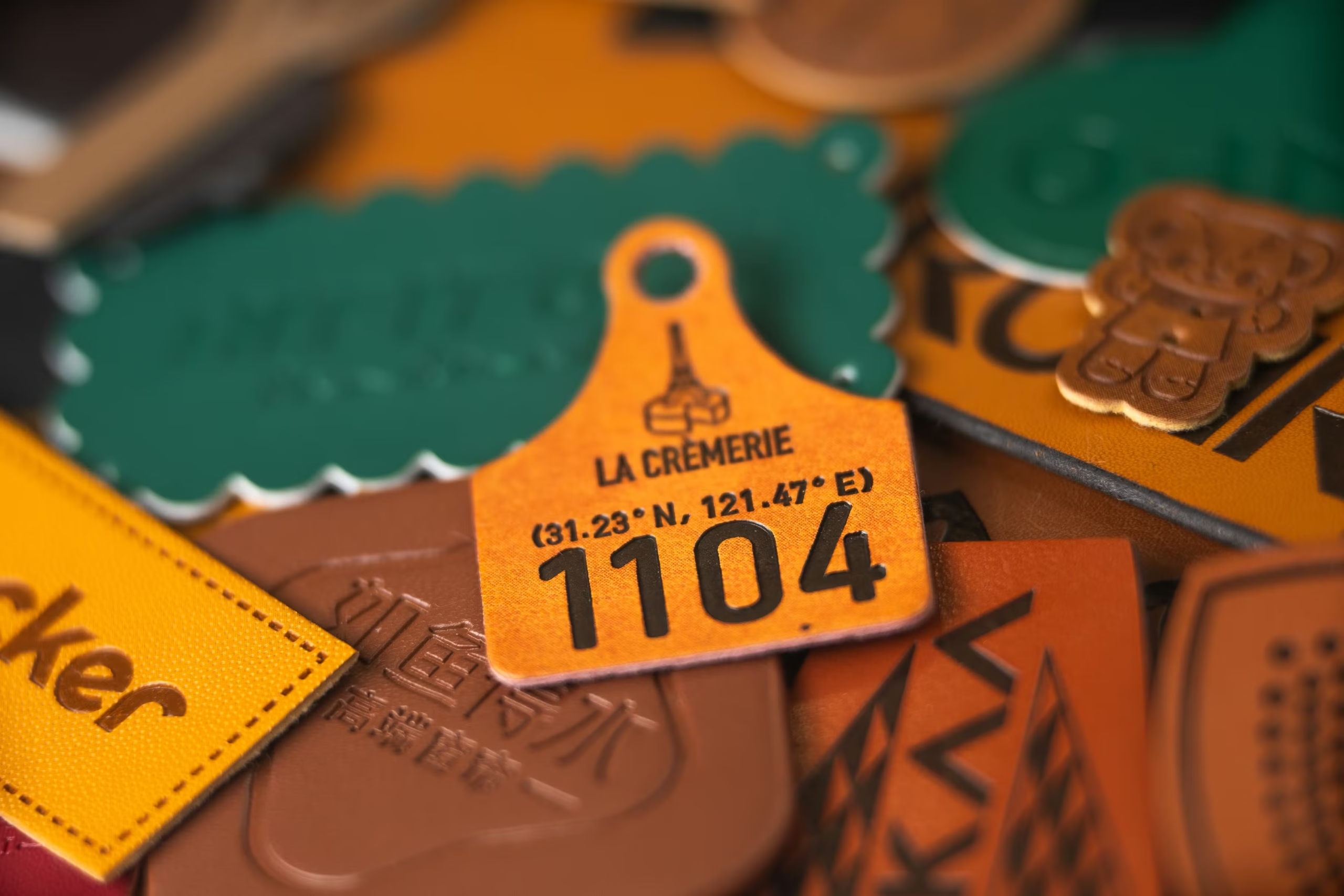
Custom leather patches are pieces of real or synthetic leather that designers create to display their logos and text and artwork.
Instead of thread or rubber, the design is usually:
- Pressed into the leather
- Burned or engraved
- Printed or embossed
The design results in an appearance combines minimalism with high-end quality. Leather patches use their material excellence which enables them to achieve their unique appearance because they do not depend on vibrant colors and surface patterns like embroidered and PVC patches.
Why Leather Patches Are So Popular
Over the past few years, more brands have started choosing leather over traditional patch styles. And there’s a reason behind that.
Leather patches offer:
- A high-end appearance
- Long-lasting durability
- A natural, rugged feel
- Timeless appeal
Many fashion brands, especially denim and streetwear labels, use custom labels to create a strong identity.
They don’t just decorate the product.
They elevate it.
Common Uses of Leather Patches
Leather patches are incredibly versatile. You’ll see them used across different industries and styles.
1. Clothing and Fashion
This is the most common use. Leather patches are widely used on:
- Jeans (especially waistband labels)
- Jackets
- Shirts
- Hats and caps
A simple leather badge UK design on denim can completely change how the product feels. It instantly looks more premium.
2. Bags and Accessories
Leather patches work beautifully on:
- Backpacks
- Tote bags
- Travel gear
- Wallets
They add a strong, durable branding element without overpowering the design.
3. Workwear and Uniforms
Many companies use leather patches for:
- Branded uniforms
- Aprons (especially in cafes and barbershops)
- Tool bags
They last longer and maintain a professional appearance even with daily use.
4. Branding and Merchandise
Leather patches are also popular for:
- Brand merchandise
- Limited edition products
- Gift items
They create a premium feel that customers remember.
Different Styles of Leather Patches
Now let’s get into the most important part. Not all leather patches look the same. The style you choose completely changes the final result.
1. Debossed Leather Patches
This is one of the most popular options. In debossing, the design is pressed into the leather. So instead of being raised, it goes inward.
Debossed leather patches are:
- Subtle and clean
- Long-lasting
- Perfect for minimal logos
They work best when you want something elegant, not flashy.
2. Embossed Leather Patches
The opposite of debossing. Here, the design is raised above the surface.
This gives:
- A bold look
- Strong visibility
- A tactile feel
It’s great for logos that need to stand out more.
3. Engraved Leather Patches
Engraving uses heat or a laser to burn the design into the leather. This creates darker, detailed markings.
Engraved patches UK are:
- Highly detailed
- Sharp and precise
- Ideal for complex logos or artwork
They’re often used when detail matters more than texture.
4. Printed Leather Patches
For brands that want color. Printed leather patches allow:
- Full-color designs
- Creative artwork
- Modern aesthetics
The debossed and engraved styles have greater durability than other styles. Not all leather patches are made from real leather.
Faux leather options are:
- More affordable
- Vegan-friendly
- Consistent in texture
They still give a similar look but with different durability levels.
Choosing the Right Leather for Your Patch
This step matters more than most people think. Different types of leather create different results.
Genuine Leather
- Natural texture
- Ages beautifully
- Slight variations in finish
Synthetic Leather
- Uniform look
- More budget-friendly
- Easier to control in production
Your brand should choose genuine leather as its primary material because authenticity represents your brand’s core value. Synthetic materials provide both affordable pricing and consistent performance which makes them suitable for your needs.
How to Design a Leather Patch (The Right Way)
Designers need to work with leather through their own specific design methods which differ from the design processes used for embroidery and PVC. Designers should remember the following essential points.
Keep It Simple
Leather materials do not support complex design patterns because they require simpler design solutions. Clean logos and bold shapes produce better visual results.
Avoid Tiny Details
Debossing makes it difficult to see very small text and intricate lines in the final product.
Focus on Contrast
Your design should use depth as its primary element because most leather patches utilize only one color, which is the leather itself.
Choose the Right Size
Too small → design becomes unclear
Too large → may overpower the product
Balance is key.
Attachment Options for Leather Patches
Once your patch is ready, you need to decide how it will be applied. Common options include:
- Sew-on: Most durable and traditional
- Adhesive backing: Quick and easy application
- Velcro: Great for removable patches
- Rivets: Adds a rugged, industrial look
For clothing, sewing is usually the best choice.
Step-by-Step Guide to Ordering Leather Patches
If you’ve never ordered patches before, here’s a simple process.
Step 1: Finalize Your Design
Make sure your logo or artwork is ready.
Step 2: V
Decide between:
- Debossed
- Embossed
- Engraved
- Printed
Step 3: Select Size and Shape
Standard shapes include:
- Rectangle
- Square
- Oval
- Custom die-cut
Step 4: Pick Attachment Method
Think about how the patch will be used.
Step 5: Request a Sample
Always ask for a sample before bulk production.
Step 6: Place Bulk Order
Once satisfied, proceed with full production.
Common Mistakes to Avoid
Many people rush this process. Here are mistakes you should avoid:
- Choosing overly detailed designs
- Ignoring size proportions
- Skipping sample approval
- Picking the wrong attachment method
- Focusing only on price, not quality
A small mistake in patches can affect the entire product’s look.
Final Thoughts
Leather patches are not just another branding tool. They’re a statement. They say your brand cares about quality, detail, and long-term value.
Leather patches provide a distinct advantage to your clothing line and merchandise launch and product design upgrade because they deliver a unique feature that other patch types cannot provide.
The design process requires you to select the appropriate style while you consider how people will experience your brand through physical contact with your products.
The value of leather material extends beyond its visual appearance because its texture provides an essential sensory experience.
FAQs:
What are custom leather patches commonly used for in the UK?
Custom leather patches serve as a premium and durable branding solution which fashion designers use to enhance their clothing and bag and uniform and merchandise designs.
3. How durable are engraved patches UK compared to other styles?
The engraved leather patch design achieves high durability because the design gets burned into the surface which protects it from wear damage throughout time.
4. Can leather patches be washed with clothing items?
The leather quality requires gentle washing as the method protects the material from damage especially for genuine leather products.
5. Are custom leather labels suitable for small businesses or startups?
Custom leather labels serve as the perfect solution for startups because they need a high-quality brand image which requires simple and affordable design elements.