If you live or work in the UK, you already know this, British weather is not kind to anything worn outdoors. Rain arrives without warning, cold air lingers, humidity settles into fabrics, and even summer days can turn damp by afternoon. Clothing struggles. Footwear struggles. And yes, traditional stitch patches UK buyers rely on struggle too.
Many people only realise this after a few months of use. The patch that once looked neat and professional begins to fade. Threads loosen. Edges curl. Colours dull. And suddenly, that once-sharp logo or badge looks tired and worn.
This is where PVC patches quietly outperform every other option.
They’re not louder. They’re not flashy for the sake of it. They’re simply built for real-world conditions, especially the kind Britain delivers year-round.
In this guide, we’ll break down why PVC patches are so well-suited for British weather, how they compare to stitched patches, and where they make the most sense for businesses, organisations, and individuals across the UK.
Understanding the Reality of British Weather
Before choosing any patch material, it helps to understand the environment it needs to survive. The UK experiences:
- Frequent rainfall throughout the year
- High humidity levels
- Cold winters with frost and damp conditions
- Muddy outdoor environments
- Sudden weather changes
Traditional stitch patches UK manufacturers produce often rely on fabric threads and backing materials that absorb moisture. Over time, this leads to:
- Thread weakening
- Colour bleeding
- Patch distortion
- Mold or mildew smell
PVC patches, on the other hand, are designed to resist all of this.
Stitch Patches UK: What Are PVC Patches?
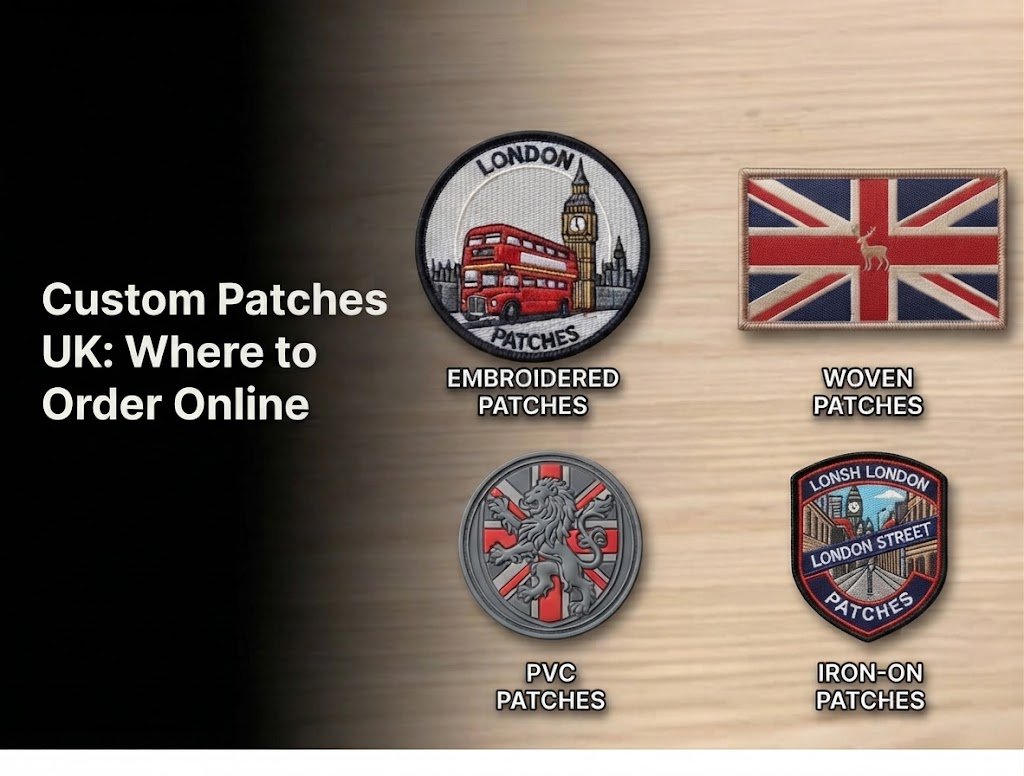
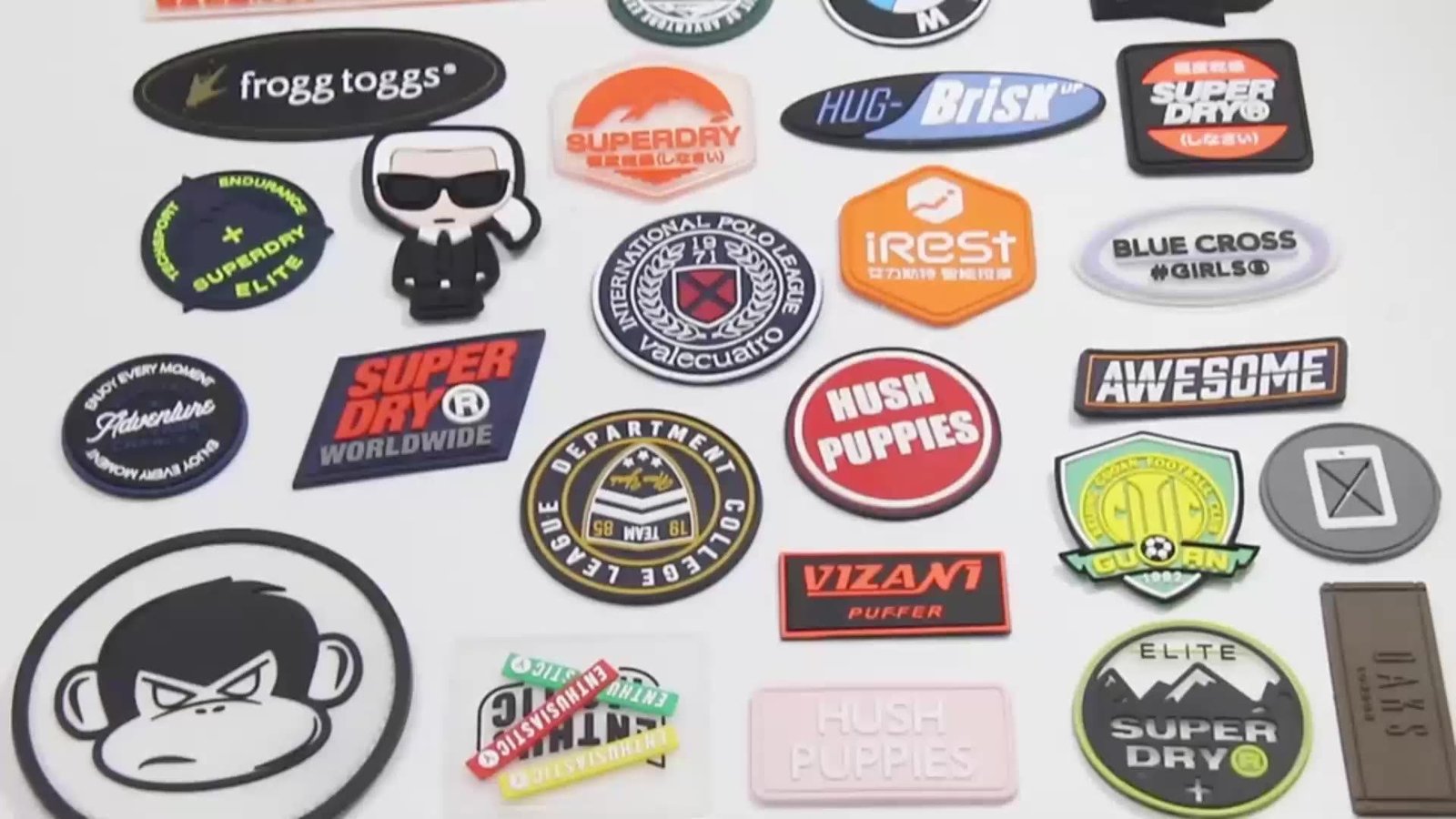
PVC (Polyvinyl Chloride) patches are created from soft, elastic and rubber-like material. Rather than using threads to sew, the design is done by molding layers of PVC that results in a raised textured design. The main features are:
- Waterproof and weather-resistant
- Flexible but durable
- Bold colours that don’t fade easily
- Easy to clean
- Long-lasting even with heavy use
Unlike stitch patches UK customers are used to, PVC patches don’t rely on fabric or embroidery to hold their design.
PVC Patches vs Stitch Patches UK Buyers Traditionally Use
Let’s break this down in simple, real-world terms.
Water Resistance
- Stitch patches: Absorb water, stay damp longer, may smell or fray
- PVC patches: Completely waterproof, dry instantly
Durability
- Stitch patches: Threads weaken over time
- PVC patches: Molded design won’t unravel
Colour Longevity
- Stitch patches: Colours fade with rain and washing
- PVC patches: Colours stay vibrant for years
Cleaning
- Stitch patches: Require careful washing
- PVC patches: Wipe clean with a damp cloth
For British weather, this difference matters more than people realise.
Why PVC Patches Thrive in Rainy Conditions
Rain isn’t just water, it carries dirt, pollutants, and salt. When fabric absorbs that moisture, it breaks down faster. PVC patches:
- Repel water completely
- Don’t absorb dirt or grime
- Keep form and color even after the heavy rainfall.
They always keep their shape and color, no matter in what conditions and where they are put, on jackets, bags, or uniforms. This feature is a big advantage for branding and identification since it guarantees that the attachment will always be visible and clear.
Ideal for Outdoor Workwear and Uniforms
Many industries in the UK operate outdoors year-round:
- Construction
- Security
- Delivery services
- Emergency response
- Landscaping
For these sectors, stitch patches UK options often fail quickly. PVC patches offer:
- Clear logos even in poor weather
- No fraying at the edges
- Long-term visibility and professionalism
This makes them ideal for uniforms that need to look consistent day after day.
Perfect for British Winters
Cold temperatures cause fabric to stiffen and crack over time. Threads can loosen, and backing materials may peel. PVC patches are designed to:
- Stay flexible in cold weather
- Resist cracking or splitting
- Maintain adhesion on jackets and coats
Even during frosty mornings or damp winter days, PVC patches keep their form.
Designed for Active and Outdoor Lifestyles
British weather doesn’t stop people from hiking, cycling, camping, or attending outdoor events. PVC patches are popular among:
- Scouts and outdoor groups
- Cycling clubs
- Military and tactical users
- Sports teams
- Event organisers
Compared to stitch patches UK outdoor enthusiasts often struggle with, PVC patches are more reliable and practical.
Clean Look, Modern Appearance
There’s also an aesthetic advantage. PVC patches provide:
- Sharp edges
- Raised 3D designs
- Modern, professional finish
They don’t look worn-out after a few rainy weeks. Instead, they maintain a clean, polished appearance, ideal for brands that value consistency.
Low Maintenance, High Performance
One of the biggest benefits people overlook is maintenance. Stitch patches UK customers use often require:
- Careful washing
- Air drying
- Replacement after wear
PVC patches require:
- Minimal cleaning
- No special care
- Long-term use
This makes them cost-effective over time.
Attachment Options That Suit British Conditions
PVC patches can be attached using:
- Velcro (ideal for removable patches)
- Sew-on backing (for permanent use)
- Adhesive or heat backing
Velcro-backed PVC patches are especially popular in the UK because they allow:
- Easy removal for washing
- Swapping patches for different roles
- No damage to garments
Ideal for Branding and Business Use
For UK businesses, visibility matters, even in poor weather. PVC patches ensure:
- Logos remain readable
- Colours don’t fade
- Brand image stays professional
From delivery drivers to event staff, PVC patches help businesses maintain a strong visual identity regardless of weather conditions.
Eco-Conscious Considerations
While PVC is synthetic, its durability reduces waste. Instead of replacing stitch patches UK organisations often reorder due to wear, PVC patches:
- Last longer
- Reduce frequent replacements
- Lower overall material waste
Longevity is sustainability in practice.
Why UK Customers Are Switching to PVC Patches
Across the UK, customers are making the shift because PVC patches simply work better in real conditions. They’ve learned that:
- Rain doesn’t wait
- Cold damages fabric
- Appearance matters
PVC patches solve these problems without compromising style or function.
Choosing the Right Supplier Matters
Quality matters just as much as material. A trusted supplier ensures:
- Weather-tested PVC materials
- Strong backing options
- Accurate colour matching
- Professional finishing
Brands like PVC Patches provide custom PVC patches designed for durability, making them suitable for British weather demands.
When Stitch Patches Still Make Sense (And When They Don’t)
Stitch patches UK options still work for:
- Indoor use
- Decorative fashion pieces
- Occasional wear
But for:
- Outdoor use
- Workwear
- Uniforms
- Frequent exposure to rain
PVC patches are the more practical choice.
Final Thoughts
British weather isn’t gentle. And your patches shouldn’t be either. PVC patches are:
- Waterproof
- Durable
- Low maintenance
- Visually strong
They outperform traditional stitch patches UK users rely on when it comes to rain, cold, and long-term wear.
If you’re looking for patches that won’t fade, fray, or fail, even when the weather does its worst, PVC patches are not just an option. They’re the smarter solution.
The weather won’t change. But the way your patches perform can.